October 26, 2026
A waxing moon and a waning moon can look like twins if you catch them at the wrong hour. One is filling toward full; the other is emptying toward new. The difference matters whether you are trying to identify the moon in the evening sky, plan a garden task by an old almanac, or simply understand why the moon seems to change sides. This comparison keeps the astronomy practical and the folklore in its proper place: useful as tradition and rhythm, not as a guarantee.
The Short Answer: Two Halves of One Cycle
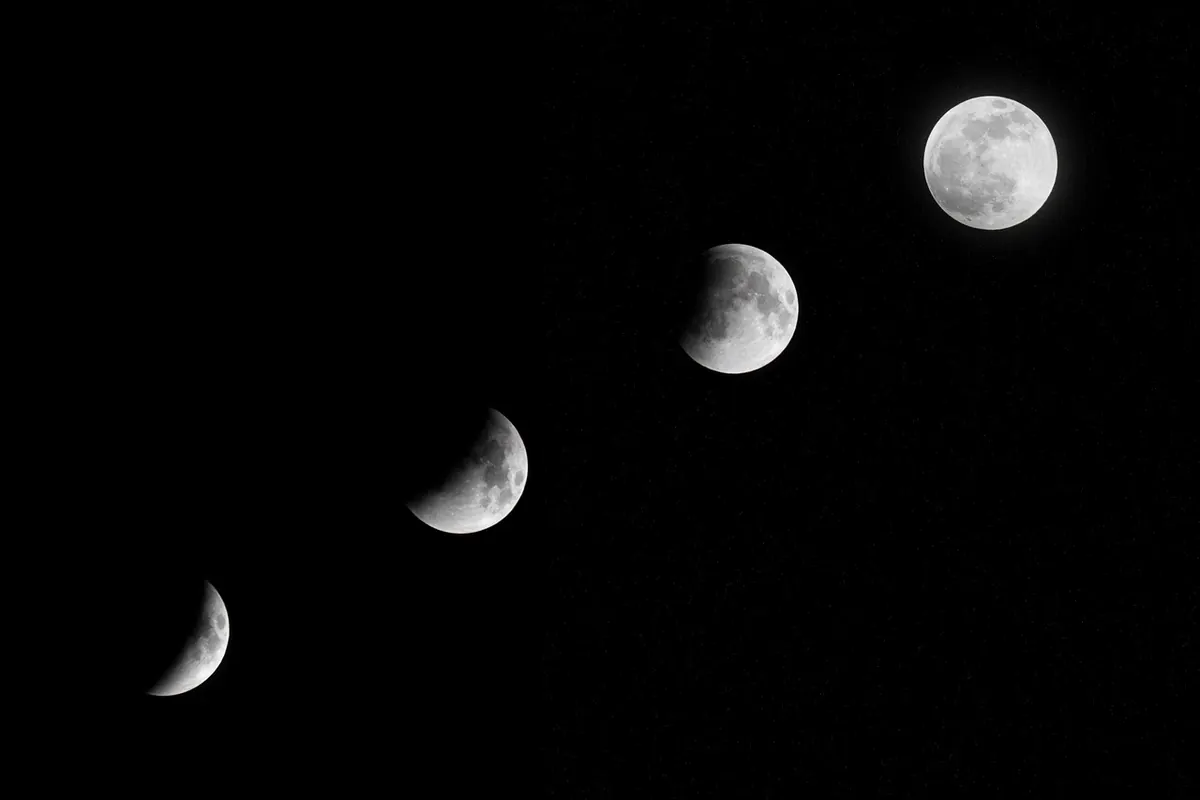
Waxing means the illuminated portion is growing. Waning means it is shrinking. The waxing moon runs from new moon to full moon. The waning moon runs from full moon back to new. They are not two different moons, just two directions on the same monthly journey.
That single fact clears up most confusion. If the bright shape is getting larger night by night, the moon is waxing. If it is getting smaller, it is waning. The folklore follows the same logic: waxing is linked with increase, beginning, and building; waning is linked with decrease, clearing, and release.
What You Actually See: Shape, Side, and Hemisphere
From mid-northern latitudes, the waxing moon is lit on its right side. The waning moon is lit on its left. A waxing crescent looks like a thin curve on the right after sunset. A waning crescent looks like a thin curve on the left before sunrise. First quarter shows the right half lit; last quarter shows the left half lit.
A quick orientation check
In the Southern Hemisphere, this appears reversed: waxing is lit on the left, waning on the right. Near the equator, the lit side can seem more top-heavy or bottom-heavy depending on the season. Do not treat the “right side” rule as universal. Treat it as a useful northern-hemisphere habit, then check a moon-phase calendar if you are elsewhere.
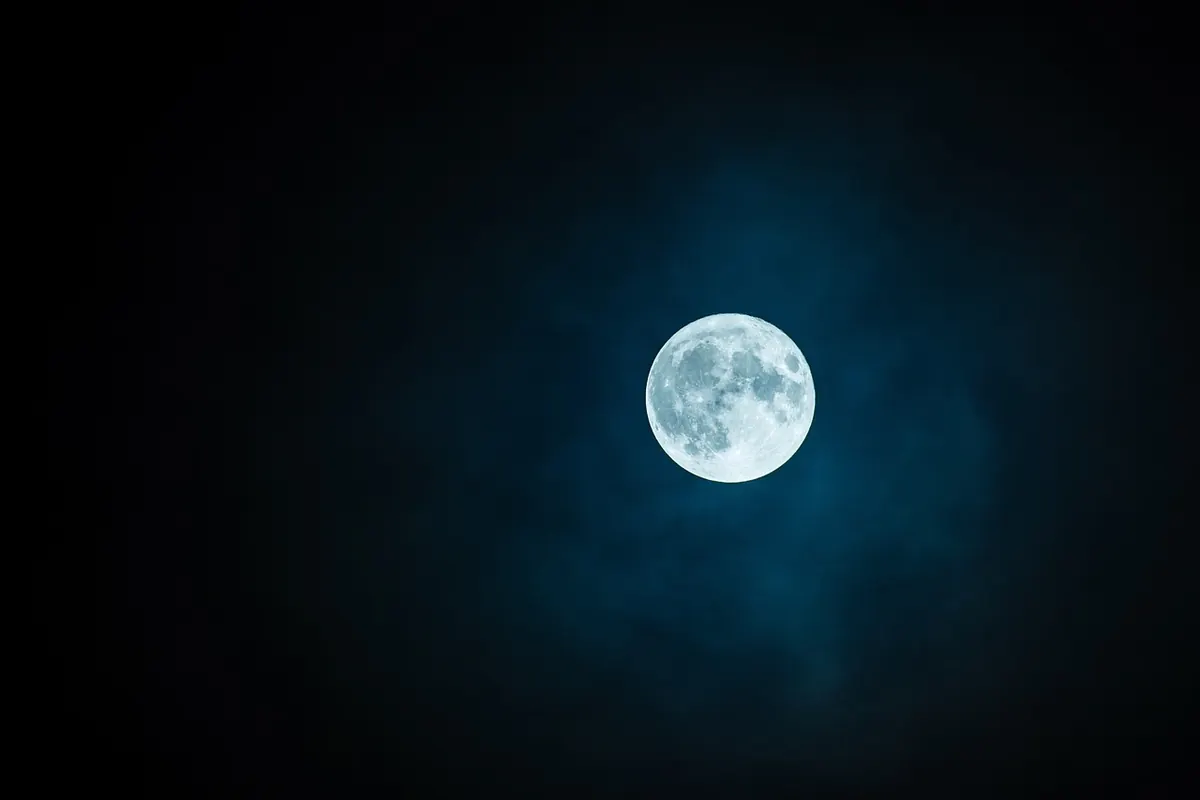
Full moon and new moon are the easy anchors. A full moon is fully illuminated; a new moon is not visible in the sky. The tricky phases are the crescents and quarters, where a glance at the lit side and the time of day tells you almost everything.
Timing Your Look: When Each Moon Is Up
The simplest timing rule is this: a waxing moon is an evening moon, and a waning moon is a morning moon. That is not a law of nature, but it is a reliable starting point for beginners.
Evening sky vs. morning sky
A waxing crescent sits low in the west after sunset and sets soon after. First quarter is high around sunset and sets near midnight. A waxing gibbous is visible in the afternoon and evening and sets after midnight. The full moon rises around sunset and sets around sunrise.
The waning side runs the other way. A waning gibbous rises after sunset and is visible late at night and into the morning. Last quarter rises around midnight and is high near sunrise. A waning crescent sits low in the east before dawn and sets during the day. Seasons and latitude shift these times, but the pattern holds well enough to plan an evening walk or an early look out the window.
If you see a crescent in the early evening, it is almost certainly waxing. If you see one before dawn, it is almost certainly waning. When in doubt, note the date and compare it with the next full moon.
The Folklore of Increase: Waxing Associations
Many folk traditions attach waxing moons to growth, attraction, and beginnings. Gardeners who follow lunar almanacs often sow above-ground crops during the waxing moon and reserve the waning half for root crops, pruning, and weeding. Others use the waxing phase for starting projects, making plans, or setting intentions. The details vary by region and family, but the underlying idea is consistent: a moon that appears to grow is a moon for growing things.
This is symbolism, not a scientific rule. The moon’s light and tides are real; the idea that a phase will make a business plan succeed or a seedling burst faster is folklore. Still, the pattern has practical value. It gives a task a date, and a date makes a task easier to begin.
The Folklore of Release: Waning Associations
The waning moon is traditionally linked with decrease, clearing, and letting go. In folk practice it is a time for pruning, weeding, decluttering, finishing old projects, and removing what is no longer useful. Some hair-cutting customs say waxing encourages growth and waning slows regrowth; others say the opposite. That is the nature of folklore: local, varied, and not a substitute for evidence.
The waning phase is not gloomy. Think of it as the closing shift. The full moon has passed; the cycle is turning inward. Use it for the jobs that need a clear ending: returning borrowed items, clearing a desk, canceling unused subscriptions, or closing a notebook on a project that has run its course.
Waxing for what you want to grow; waning for what you want to clear.
Keep the mood practical. Moon-phase folklore can be a pleasant organizing tool, but for health, money, or legal decisions, rely on qualified professional advice rather than the phase of the moon.
A Simple Field Guide for Beginners
Use this checklist the next time you step outside and are not sure which moon you are seeing.
- Check the date: note how many days have passed since the new moon or full moon. The cycle is roughly a month, so the date narrows the phase quickly.
- Look at the lit side: in the northern hemisphere, right-side light usually means waxing; left-side light usually means waning.
- Note the time: evening sightings lean waxing; pre-dawn sightings lean waning.
- Watch for a week: if the bright area grows, it is waxing; if it shrinks, it is waning. One week of glances is more reliable than one confusing night.
- Match the folklore to the task: choose waxing for starting and building, waning for clearing and finishing. Treat it as a prompt, not a promise.
A paper calendar or a simple moon-phase app helps, but your own notes are better. Write down the date, time, weather, and the moon’s shape. After a month you will have a personal record that no generic chart can replace.
Practical Closing: Let the Phase Match the Job
Start with one small observation. If the moon is in the evening sky and growing brighter night by night, you are in the waxing half. If it is in the morning sky and shrinking toward new, you are in the waning half. Then choose a task to match: begin the letter, plant the seeds, or make the plan during the waxing moon; clear the shelf, prune the shrub, or finish the draft during the waning moon.
Do not force it. Some weeks are cloudy, some schedules are crowded, and folklore is meant to serve attention, not replace it. The moon is both a calendar and a story. Use it to notice the month moving, and let the phase give your next small task a clearer place to begin.
Photo: Sergio-sq / Pixabay