October 13, 2026
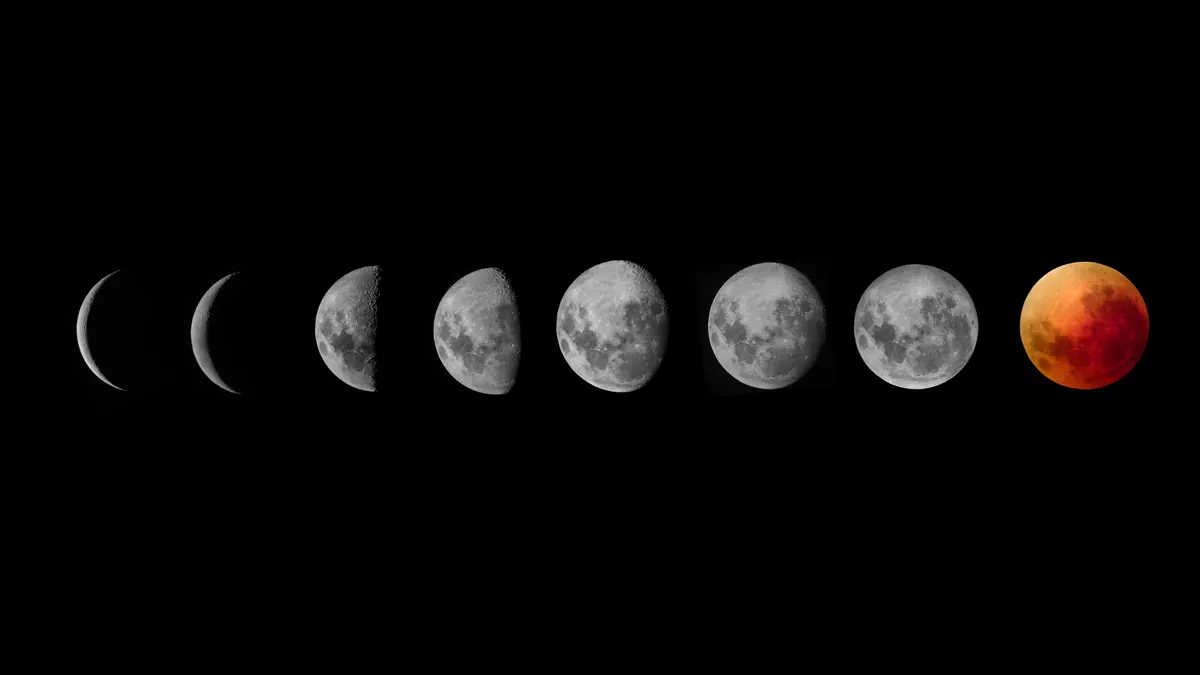
Step outside on a clear January night and the full moon hangs like a lantern above the bare trees. By June it rises lower, honey-colored, through the smell of cut grass. The old names for these moons grew from exactly that kind of noticing: weather, work, hunger, and the small signs that mark a season turning. What follows is a month-by-month guide to the names most often printed in almanacs, with the folklore behind them and a few things worth watching for yourself.
Why the Names Move
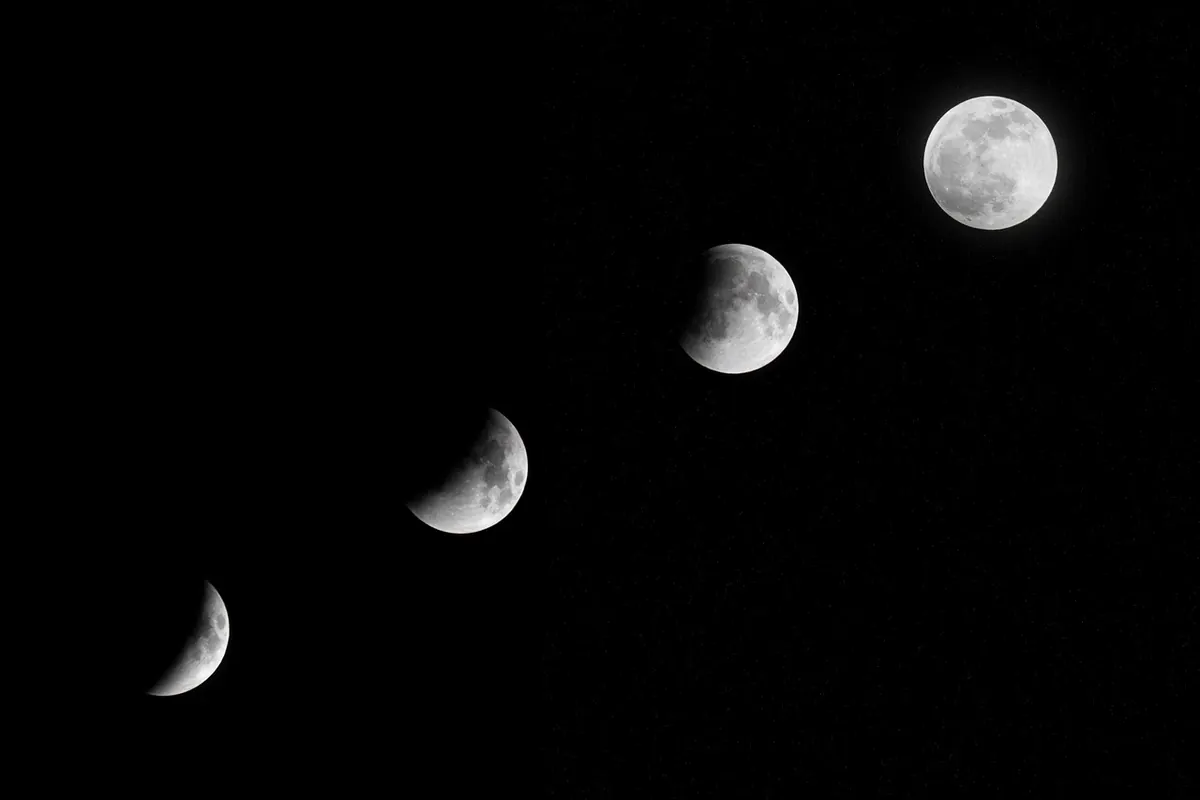
A full moon comes roughly every 29.5 days, so most years hold twelve and some hold thirteen. That mismatch is why the names drift against our fixed calendar: a name tied to a seasonal event—strawberries ripening, bucks growing antlers—can land in a different week each year. The names most familiar in English come through almanac tradition, drawing on European folklore and on the seasonal vocabularies of Indigenous peoples in North America. They are regional, not universal. A coastal community and a mountain one may name the same moon for completely different things.
The “blue moon” is the usual name for that extra moon, though the popular definition—the second full moon in a calendar month—is only one version. Older almanacs called the third full moon in a season with four a blue moon. Either way, the moon does not turn blue. The name is a calendar convenience, and it is a useful reminder that our twelve-name system is a human overlay on a slightly mismatched sky.
Treat the common name as a hook, not a rule. The pleasure is in noticing what your own place is doing when that moon rises.
Winter: Wolf, Snow, and the Lenten Moon
January: Wolf Moon
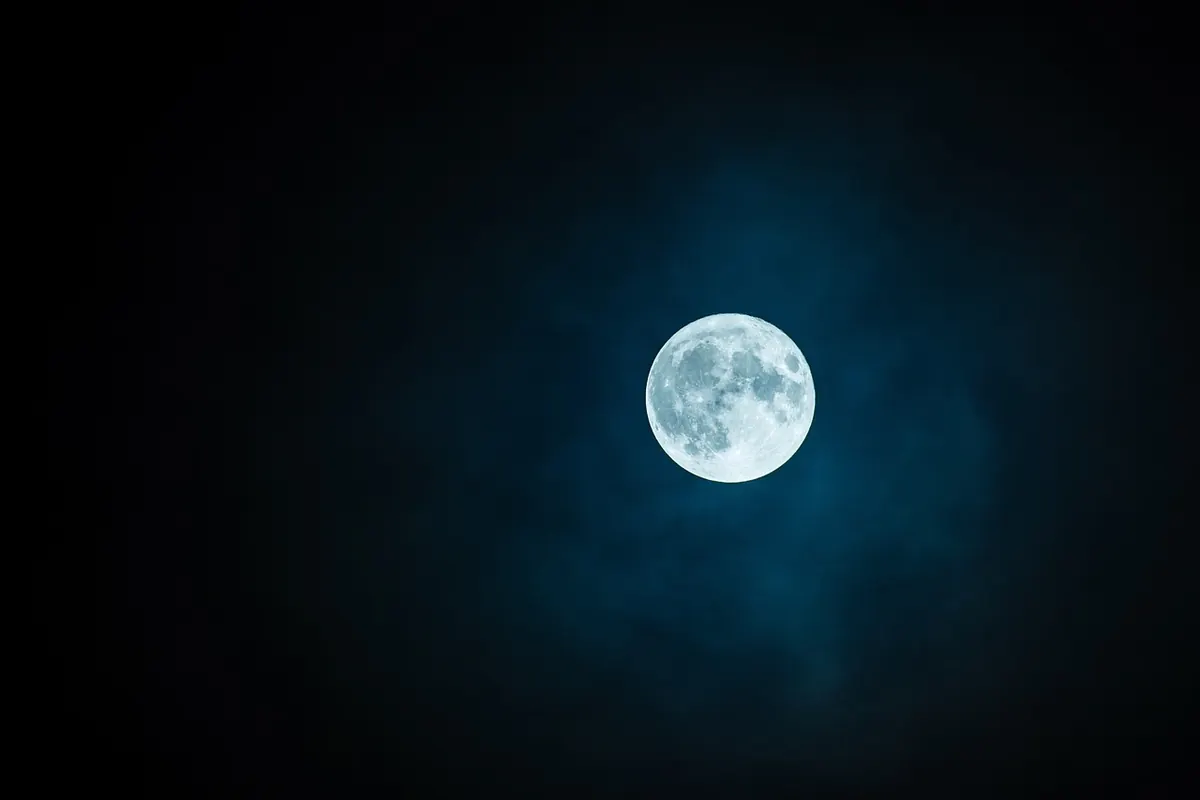
In deep winter, hunger pressed wolves closer to settlements, and the name preserves that sound more than a sighting. Old Moon and Ice Moon appear in older lists. Watch how high this moon climbs: in the northern hemisphere, winter full moons ride high because they sit opposite a low winter sun. On a cold, clear night, that high moon can make the whole landscape look blue-white and strangely still.
February: Snow Moon
February is the snowiest month in many northern regions, hence Snow Moon; Hunger Moon and Storm Moon record the harder side of the season. Snow on the ground turns moonlight into usable light—bright enough to cast shadows and show tracks. On the night of the full moon, look east around sunset. The moon rises as the sun sets, which is true every month and still feels like stagecraft. If there is fresh snow, go outside without a flashlight and notice how much detail the moon alone reveals.
March: Worm Moon
Thawing ground brings earthworm casts to the surface, and with them the name Worm Moon. You will also meet Crow Moon, Sap Moon, and Lenten Moon. The Lenten name appears because this full moon often falls within Lent; Easter’s date is calculated from the Paschal full moon, the first full moon on or after the spring equinox, so March carries a liturgical calendar as well as a folk one. Watch for the first nights warm enough to smell wet soil. The moon may still rise through bare branches, but the season underneath it has already changed.
Spring: Pink, Flower, and Strawberry
April: Pink Moon
The name refers to the pink phlox—often called wild ground phlox—that blooms in early spring in parts of North America, not to the color of the moon itself. Egg Moon, Fish Moon, and Sprouting Grass Moon appear in different lists. This is a good month to compare a low, early-spring moon with the high winter one: the angle has changed noticeably, and the moon’s path across the sky is steeper. If you keep a simple notebook, note the moon’s height at the same time each month; after a year the pattern becomes obvious.
May: Flower Moon
Flowers arrive in force across the northern hemisphere, so Flower Moon is straightforward. Milk Moon and Planting Moon also appear, tied to grazing and garden work. In many places, May’s full moon is the last before the summer solstice, and it rises against a landscape that is suddenly loud with insects and birds. Watch for the moon’s light catching blossom and new leaves; the effect is softer than winter moonlight because there is so much more to reflect it.
June: Strawberry Moon
Strawberry Moon marks the short strawberry harvest in parts of North America. It is also Rose Moon and Honey Moon in older European lists—the latter likely tied to midsummer honey, though the “honeymoon” connection is often repeated more confidently than it can be proven. Near the June solstice, the full moon rises at its lowest arc of the year in northern latitudes. That low path is why June moons look huge and amber near the horizon: you are seeing them through more atmosphere, and your eye compares them with trees and rooftops.
Summer: Buck, Sturgeon, and Corn
July: Buck Moon
Male deer grow new antlers in summer, and by July the velvet-covered racks are visibly developing. Thunder Moon and Hay Moon also fit the season. This is a good month to notice the moon’s color: summer haze and wildfire smoke can tint it orange or red. The moon is not changing color; the light is being scattered before it reaches you.
August: Sturgeon Moon
In the Great Lakes and other northern waters, August was a good month for sturgeon, and the name survives in almanacs. Grain Moon and Green Corn Moon point to harvest. Around this time, the full moon rises earlier in the evening than it did in spring, so it is easier to watch with children or after supper. Look for the moon’s position relative to a familiar tree or chimney; month by month, it will have moved noticeably north or south along the horizon.
September: Harvest Moon
Strictly speaking, Harvest Moon is the full moon nearest the autumn equinox, so it can fall in September or October. For several nights around it, the moon rises only a little later each evening—a gift for farmers working late. The name Corn Moon also appears. This is one of the most useful moons to watch because the pattern is easy to see: note the rising time for three nights and compare it with the rest of the year.
Autumn: Hunter, Beaver, and Cold
October: Hunter’s Moon
After harvest, hunters could see game more easily across cleared fields, and the moon’s early rise helped. The name follows the Harvest Moon and shares its trick of rising soon after sunset for several nights. Leaves are falling, the air is sharper, and the moon often looks white and hard. In some lists October is also the Travel Moon or Dying Grass Moon.
November: Beaver Moon
Beavers become active preparing for winter, and trapping season once made this moon notable. Frost Moon and Freezing Moon also fit. In the northern hemisphere, November’s full moon is high again, like January’s, because the sun is low. If you have been tracking the moon’s height since summer, the change is dramatic.
December: Cold Moon
Cold Moon, Long Night Moon, and Moon Before Yule all describe the same long, dark month. The full moon near the winter solstice stays above the horizon for a long time—its high arc is the winter counterpart to June’s low one. Watch it cross the sky on a clear, cold night; the air is often steady, and the moon looks almost sharp-edged.
How to Use These Names
Treat the names as prompts for attention, not as fixed facts. Pick one moon and watch it for three nights: note where it rises, what color it is, what the weather is doing, and what plants or animals are active. Then do it again the next month. A simple notebook or phone note is enough. You will quickly learn that your local moon calendar includes things no almanac can list: when the first frost arrives, when the frogs start, when the last leaves come down.
- Record the rising point. Use a landmark; the moon moves north and south along the horizon through the year.
- Note the color. Low moons look orange because of atmosphere, not because the moon changes.
- Compare three nights. The moon rises later each night, but the Harvest and Hunter’s moons rise only a little later—a useful contrast.
A Note on the Names
Many names in almanacs are attributed loosely to Indigenous peoples, but “Indigenous” covers hundreds of nations with different languages, climates, and seasonal knowledge. A single list can flatten that diversity. If you want to go deeper, look for names specific to the land you are on, and treat them with the same care you would give any local knowledge: ask, listen, and credit the source.
The moon is the same everywhere, but the season it names is always local. Learn the names you were given, then learn the ones your own place is teaching you.
By the time December’s Cold Moon rises, you will have a year of small observations behind you. The names are old, but the watching is yours.
Photo: Astrofotos PB / Pexels